


Analyze
What does the whole environment tell us?
Examine health, coverage, assets, vulnerabilities, controls, usage, and cases together to identify weaknesses and explain what matters.
Exceptional investigation. The whole security program beyond it.
UEBA, clustering, fault-tolerant risk scoring, and AI swarm investigation help Fluency cut through noise and close cases efficiently. Fluency Companion extends that same intelligence across the entire environment: find weaknesses, measure platform and data health, assess certification evidence, forecast capacity and cost, and guide the operating plan through a permission-aware MCP interface.
Starting at $75 a month →The Unbounded advantage
The agent knows what you mean. MCP teaches it how to use Fluency.
AnalyzeUnderstand what is happening across the operation.
ForecastProject what comes next with visible assumptions.
CompareFind meaningful change across time and environments.
Recognized by G2 · Fall 2026
Customer satisfaction and support quality, recognized in G2's Fall 2026 reports.


Technical white paper
A SIEM behind a fixed interface takes away what AI does best: analyze, forecast and compare. This paper shows how Fluency's MCP teaches Claude or Codex to run the SIEM with cheat sheets, governed tools and skills, through a real Critical phishing investigation and an eight-chapter monthly SOC report.
Or just watch the video · 6:40
For MSSPs, CISOs, and CIOs
Turn security telemetry into an ongoing advisory service. Show where the environment is weak, what changed, whether controls and evidence support certification goals, and what the organization should improve next.
What does the whole environment tell us?
Examine health, coverage, assets, vulnerabilities, controls, usage, and cases together to identify weaknesses and explain what matters.
Where does this lead if nothing changes?
Project capacity, workload, cost, and risk from the evidence already in Fluency, with assumptions leaders can inspect and revisit.
What changed, where, and why?
Compare tenants, environments, teams, and time periods to reveal meaningful differences and direct the next operating decision.
Give the CISO or CIO a defensible operating plan: which gaps to address, where to invest, what to monitor, and how to measure improvement.
Evidence and certification readiness
Fluency analyzes available security evidence and documented processes to help teams assess readiness, identify gaps, and prioritize the work needed to close them.
Distinguish controls supported by evidence from those partially supported or not yet demonstrated. Keep the basis and limits of each finding visible.
Identify missing telemetry, incomplete evidence, and process gaps. Turn the assessment into a prioritized remediation plan that teams can review.
Use the operational analysis alongside platforms such as Vanta and Drata. Fluency supports certification readiness; certification decisions remain with the assessor.
The SIEM foundation
Fluency is built to excel at investigation. It organizes security activity before AI spends tokens on it, giving analysts and swarm workflows the correlated context needed to reach defensible closure efficiently.
UEBA and correlation reveal meaningful changes across identity, endpoint, email, and cloud activity.
Related signals become meaningful cases, giving analysts a focused queue to investigate.
Parallel analysis follows the evidence, with source records and timelines supporting a reviewable conclusion.
Inside Fluency Companion
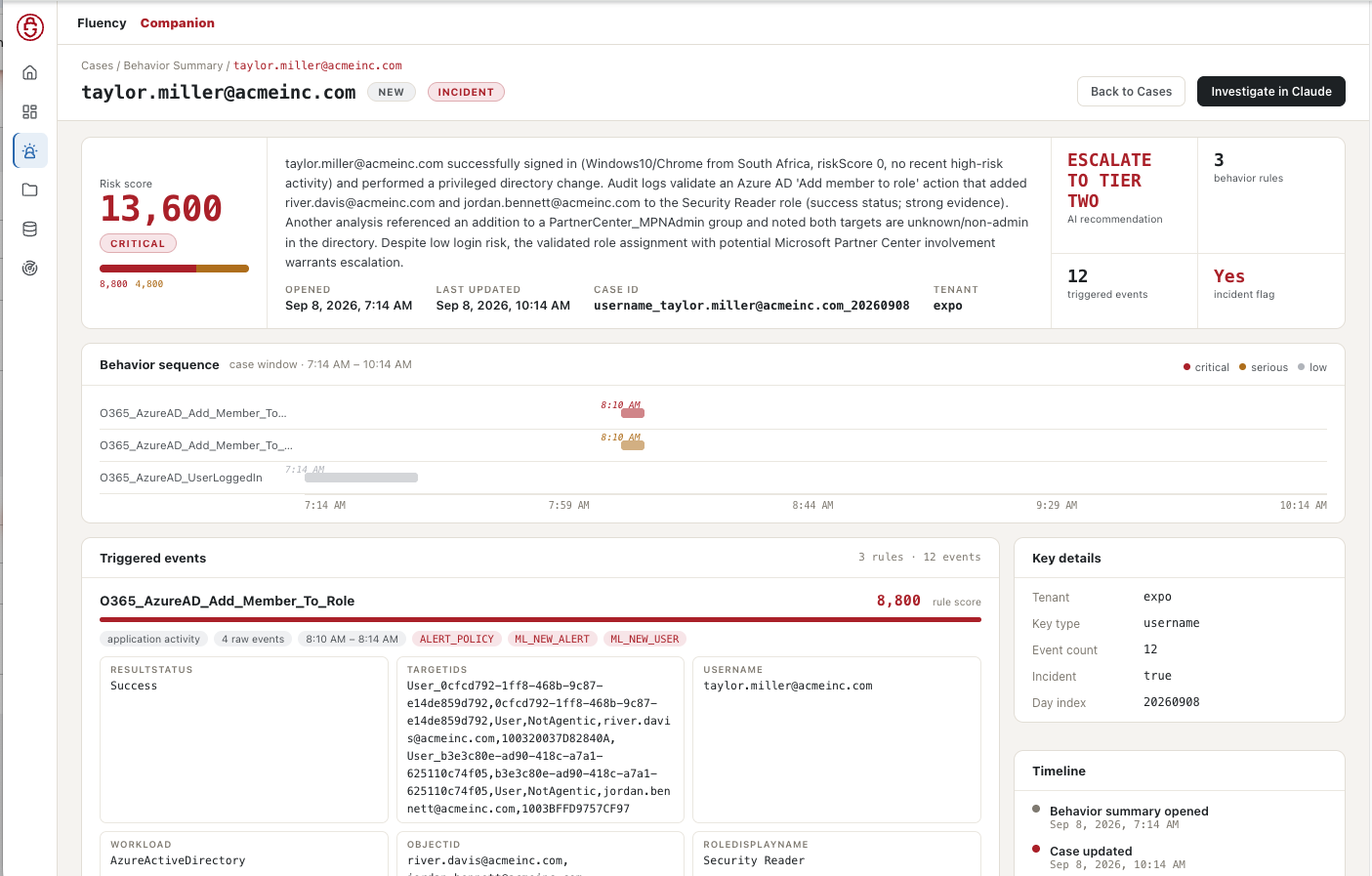
Companion brings correlated evidence, behavioral context, risk, and the next action into one working view. The same governed interface supports health reviews, certification evidence, weakness analysis, reporting, and operating plans without rebuilding the context.
Product screenshots use the Expo demonstration tenant with synthetic identities and intentionally unhealthy posture.


Technical white paper
Three architectural shifts are redefining the SIEM: data lakes for durable retention, data fabrics that control telemetry in motion, and streaming analytics that detect while the data flows. This paper explains each one, why the market's acquisitions confirm the direction, and where Fluency fits.
PDF · 13 pages · no form
The company behind the product
Fluency combines its SIEM with hands-on deployment and ongoing support. We help customers overcome integration obstacles, establish useful workflows, and build operational capability.
Agree on the first sources, access requirements, and questions to answer. Verify data flow and usable results as onboarding progresses.
For MSSPs, multi-tenant workflows support customer onboarding, health reviews, investigations, and reporting within the appropriate customer scope.
Work with a team that understands the product and the operational obstacles. Fluency was recognized for Best Support in G2’s Fall 2026 reports.

Coming November 29, 2026 · Apress
A Practical Guide to SIEM, SOC Workflows, and Operational Excellence
By Christopher Jordan, co-founder of Fluency Security
Prevention will eventually fail. What happens next is security operations.
Watch the story
See how Fluency evolved beyond the limits of SaaS SIEM and gives security leaders access not just to data, but to knowledge.
The Unbounded SOC
See why AI needs governed access to SIEM knowledge—not another brittle API integration—and how Fluency makes that operating model practical.
Behavioral AI Triage
See how behavior clusters give AI the correlated context it needs to investigate meaningful activity instead of processing isolated alerts one at a time.
Operational modes
Fluency packages skills, functions, and MCP server wiring so agentic clients can run safe operational workflows without exposing raw Fluency APIs. The MCP server remains the deterministic logic layer; the client routes, composes, and presents.
Ask questions no one dared to ask before, never mind dared to answer. Which tenants are unhealthy? Which signatures need ATT&CK mapping? Which customer has hidden operational risk?
Scope
Resolve customer, grid, account, and resources before work runs.
Status
Check data flow, integrations, degradation, and inactive sources.
Commercial
Summarize periods, licensed users, grid rollups, and snapshots.
Posture
Audit users, endpoint posture, AD hygiene, findings, and reports.
Cases
Triage timelines, repeat actors, fingerprints, and ATT&CK context.
Rules
Draft, validate, compare, map, release, and improve detections.
Training
Turn cases and searches into sanitized scenarios and replay prep.
Safety
Discover fields and facets before workflows query customer data.
Operational proof
Replace status meetings and spreadsheet archaeology with living outputs: incident briefs, health summaries, coverage reviews, and executive-ready security narratives.
Coverage, case behavior, and detection gaps mapped into one customer-ready report.
View the full report
Data-source health, blind spots, stale feeds, and remediation priorities in one view.
View the full report
Analyst-ready incident narrative with evidence, timeline, and recommended next steps.
View the full report
Integrations and delivery
Fluency works as the security logic layer for MSSPs and enterprises that need repeatable delivery, partner-ready services, and clean handoffs across tooling.
Current field notes
Recent Fluency writing explains where the platform is going and why.
Article
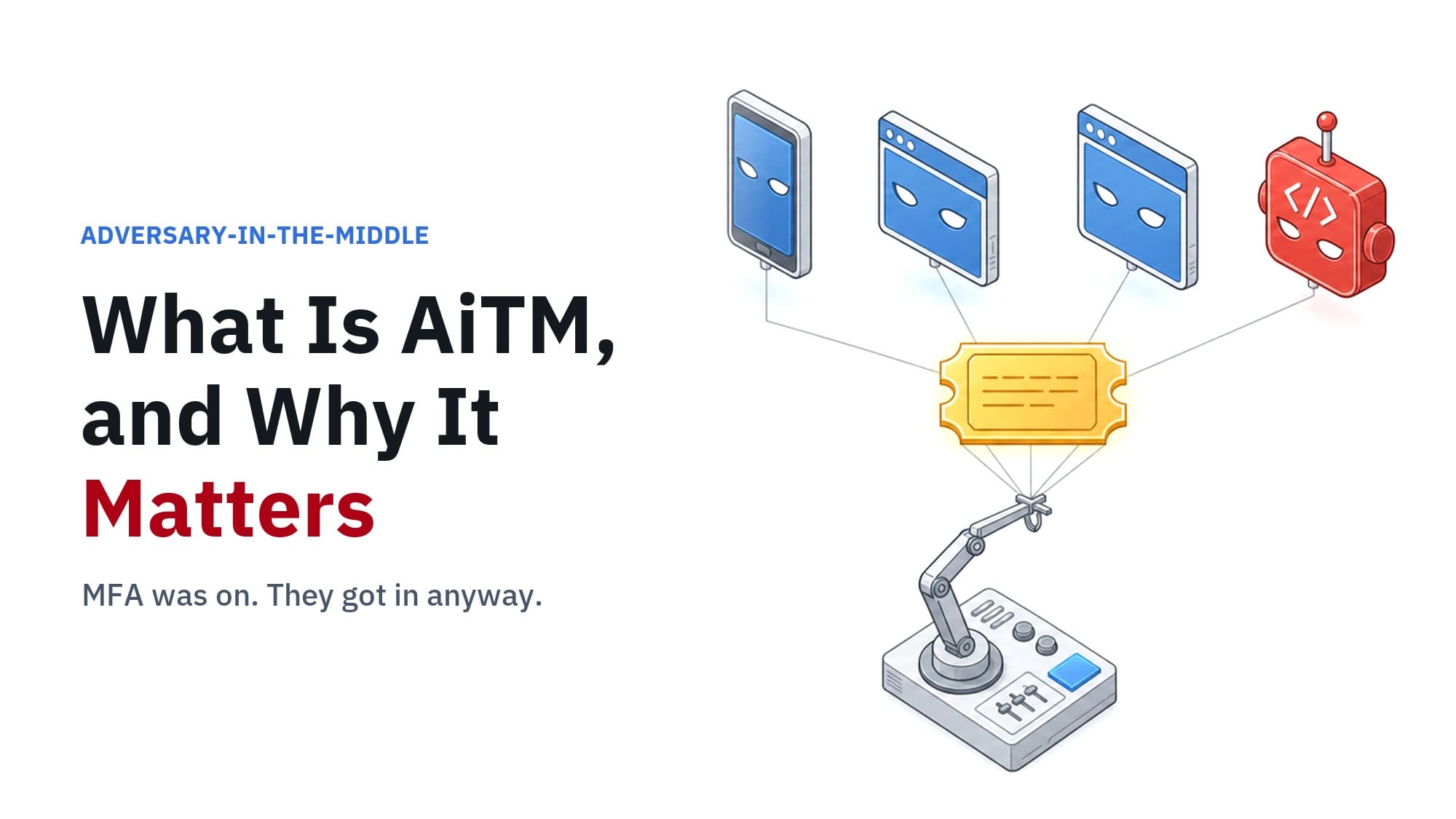
Adversary-in-the-middle (AiTM) phishing steals Microsoft 365 sessions after MFA succeeds and gives attackers free rein over the mailbox. Here is what a real…
Read What Is AiTM, and Why It Matters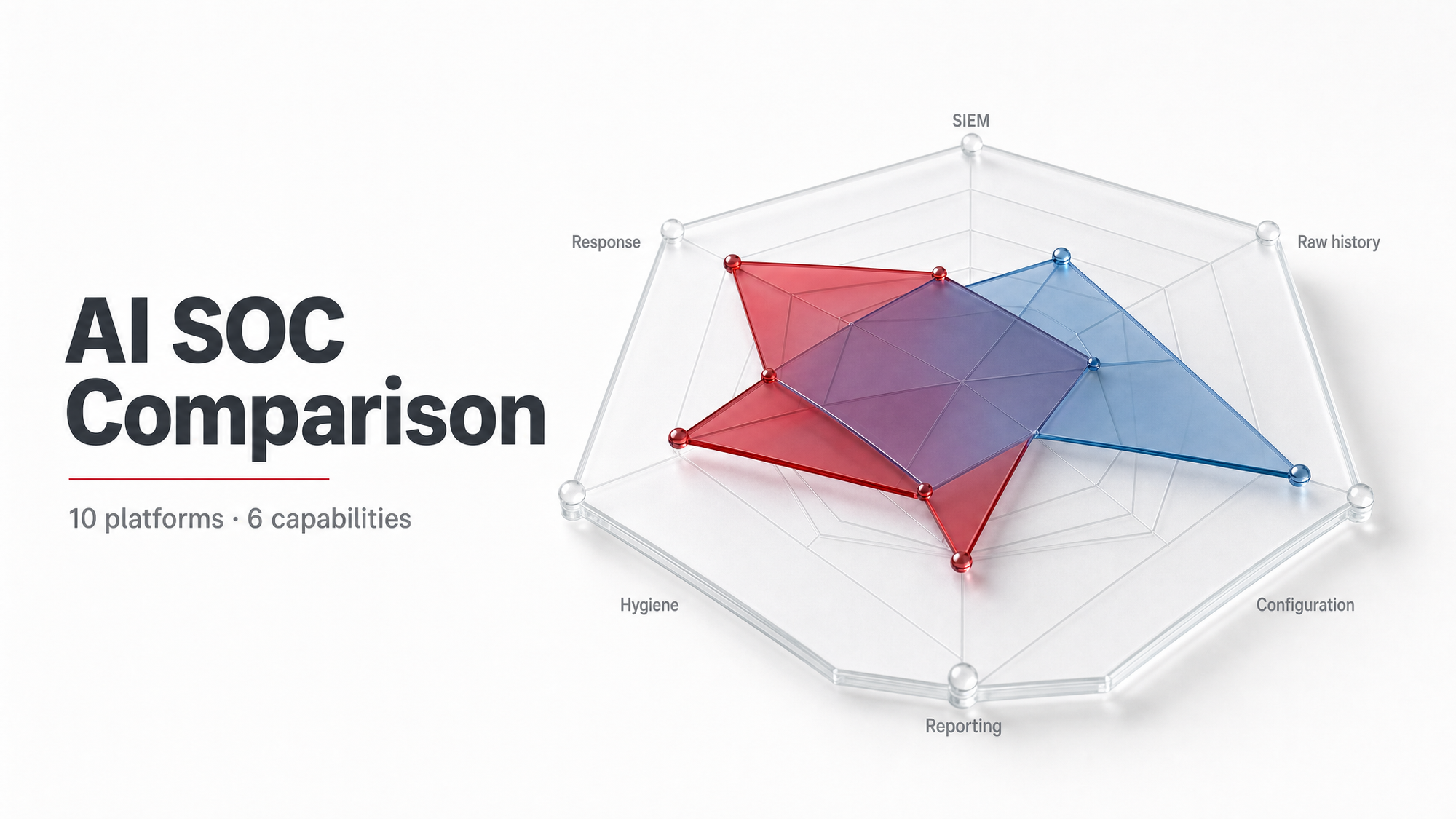
AI
We compared ten AI SOC platforms. AI investigation is the shared promise. The real differences are in the data a platform keeps, the environment it…
Read Beyond the AI SOC label
Article
I recently met the owner of a good company that is likely to go out of business. Every company loses customers, and he can survive that. What he can't…
Read In the World of AI, Are you Valuable?Ready for headless operations?
Give analysts evidence, give technical CISOs control, give business CISOs answers, and give every stakeholder the right interface for the job.
The Unbounded SOC
Explore a real security question with our team. Review the evidence, the operational next steps, and the deployment path for your environment.


